

Dental Health: Your Pathway to a Radiant Smile and Better Health
When it comes to overall well-being, Dental Health often takes a backseat to other aspects of our physical fitness. However, maintaining good dental health is not just about having a sparkling smile; it’s a vital part of your overall health. Neglecting your dental health can lead to issues that affect not just your teeth and gums but your entire body. In this guide, we will explore the importance of dental health, practical tips for maintaining it, and how it connects to your overall well-being.
Why is Dental Health Important?
Dental Health is more than just brushing and flossing; it’s a cornerstone of overall health. Poor dental hygiene can lead to cavities, gum disease, and even tooth loss. Moreover, research has shown links between oral health and systemic conditions such as heart disease, diabetes, and respiratory infections.
Your mouth is a gateway to your body, and keeping it healthy protects you from harmful bacteria that can travel to other parts of your system. By prioritizing your dental health, you’re not just saving your teeth but safeguarding your entire well-being.
The Basics of Good Dental Health
1. Daily Oral Hygiene Routine
Maintaining a consistent oral hygiene routine is fundamental to good Dental Health. Brush your teeth twice daily with fluoride toothpaste, and don’t forget to clean your tongue to remove bacteria. Flossing once a day ensures that plaque and food particles don’t get trapped between your teeth, where toothbrushes can’t reach.
2. Healthy Diet for Healthy Teeth
What you eat significantly impacts your Dental Health. Foods high in sugar and carbohydrates can promote tooth decay, while calcium-rich foods like dairy products strengthen your teeth. Incorporating crunchy fruits and vegetables, such as apples and carrots, can naturally clean your teeth and stimulate saliva production.
3. Regular Dental Check-Ups
Visiting your dentist at least twice a year is crucial for maintaining excellent Dental Health. Regular check-ups help detect issues early, such as cavities or gum disease, and professional cleanings remove stubborn plaque and tartar.
4. Protect Your Teeth
If you’re into sports, wear a mouthguard to protect your teeth from injury. Additionally, avoid using your teeth as tools to open packages or bottles, as this can lead to cracks and damage.
5. Quit Harmful Habits
Smoking and excessive alcohol consumption can wreak havoc on your Dental Health. These habits are linked to gum disease, tooth discoloration, and even oral cancer. Quitting them not only improves your dental health but also benefits your overall health.
Common Issues and How to Prevent Them
1. Tooth Decay
Tooth decay occurs when the enamel is eroded by acids produced by bacteria in the mouth. Brushing, flossing, and reducing sugar intake can prevent this common issue.
2. Gum Disease
Gum disease, or periodontal disease, is an infection of the gums that can lead to tooth loss if untreated. Regular dental cleanings and good oral hygiene are key to prevention.
3. Bad Breath
Halitosis, or bad breath, is often caused by poor oral hygiene. Cleaning your tongue and staying hydrated can help alleviate this issue.
4. Tooth Sensitivity
Tooth sensitivity is discomfort in the teeth due to hot, cold, sweet, or acidic foods. Using desensitizing toothpaste and avoiding extreme temperatures can help.
5. Oral Cancer
Oral cancer is a serious condition linked to smoking, alcohol use, and HPV. Regular dental visits can help detect early signs, improving treatment outcomes.
Dental Health for Children
Starting good dental habits early ensures a lifetime of healthy teeth. Teach children to brush and floss properly, and schedule their first dental visit by their first birthday. Limit sugary snacks and encourage drinking water to keep their teeth strong and cavity-free.
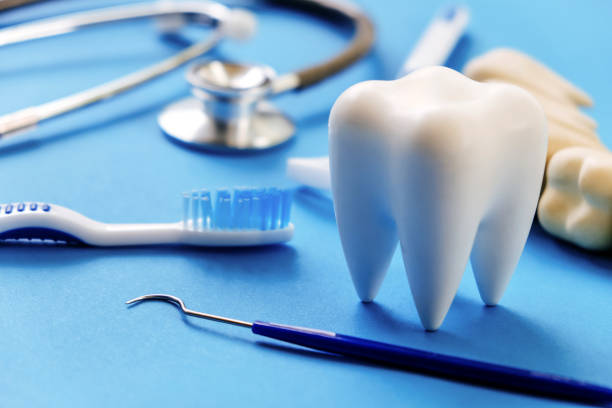
The Connection Between Dental Health and Overall Health
Did you know that poor Dental Health can contribute to serious health conditions? Here are some ways oral health is linked to your overall well-being:
- Heart Disease: Gum disease increases the risk of cardiovascular problems, as bacteria from inflamed gums can enter the bloodstream.
- Diabetes: People with diabetes are more prone to gum infections, and managing oral health can improve blood sugar control.
- Pregnancy Complications: Gum disease is associated with premature birth and low birth weight. Pregnant women should pay extra attention to their oral health.
- Respiratory Infections: Inhaling bacteria from infected teeth and gums can lead to lung infections like pneumonia.
Tips for Long-Term Dental Health
1. Stay Consistent
Consistency is key to maintaining good Dental Health. Stick to your daily brushing and flossing routine, and make dental visits a non-negotiable part of your schedule.
2. Use the Right Tools
Invest in a quality toothbrush and replace it every three months. Consider using an electric toothbrush for a more thorough clean.
3. Educate Yourself
Knowledge is power. Stay informed about dental health trends, and don’t hesitate to ask your dentist questions about your oral care routine.
4. Encourage Family Participation
Make dental care a family affair. Brushing and flossing together can instill healthy habits in children and ensure everyone stays on track.
5. Embrace Preventive Care
Preventive measures, such as fluoride treatments and dental sealants, can save you time and money in the long run by avoiding major dental issues.
Conclusion: Your Smile Reflects Your Health
Good Dental Health is about more than just aesthetics; it’s a reflection of your overall well-being. By adopting effective oral hygiene habits, eating a balanced diet, and scheduling regular dental visits, you can maintain a healthy mouth and body.
At Healthy Health Spot, we are committed to providing the best health information to empower you on your journey to wellness. Explore our website for more insightful guides on topics like diets and mental health. We value your input, so feel free to share your thoughts and tips in the comments below!