
Healthy Diets That Actually Work: Finding the Right Fit for Your Lifestyle
If you’ve ever tried to lose weight, eat healthier, or simply feel better overall, you already know one thing:
Diet advice can get confusing fast.
One expert tells you to cut carbs. Another says eat more whole grains. Someone on social media swears intermittent fasting changed their life, while someone else claims Keto is the only answer.
So… who’s right?
The truth is
There is no one-size-fits-all healthy diet.
The best diet is the one that works for your body, your goals, and your lifestyle—and most importantly, one you can actually stick with.
Over the years, I’ve looked into a lot of different diets, and I’ve personally tried several myself. One that worked especially well for me was the Keto Diet. I stayed on Keto for about six months and lost around 30 pounds. It worked—but I’ll also be honest with you: giving up carbs is no joke!
That experience taught me something important:
Even the “best” diet only works if it fits your life.
🎥 Prefer video? Watch our full Healthy Diets breakdown below!
What Makes a Diet “Healthy”?
A healthy diet isn’t about starving yourself or cutting out every food you enjoy.
At its core, a healthy diet helps you:
✔ Get the nutrients your body needs
✔ Maintain a healthy weight
✔ Improve energy levels
✔ Support heart and brain health
✔ Reduce the risk of chronic diseases
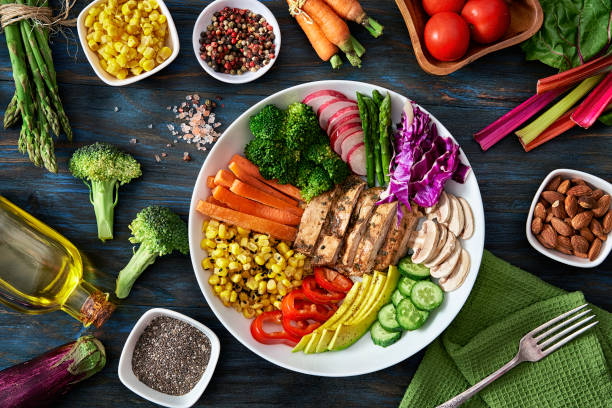
Most healthy diets focus on:
- Whole foods
- Lean proteins
- Fruits and vegetables
- Healthy fats
- Fiber-rich foods
- Limiting overly processed foods and excess sugar
The biggest mistake people make?
Trying a diet that looks good on paper but doesn’t fit real life.
Popular Healthy Diets Worth Considering
There are dozens of diets out there, but these are some of the most popular and widely recommended options.
1. Keto Diet
Best for: Fast weight loss, low-carb lifestyles, blood sugar control
The Keto Diet focuses on high fat, moderate protein, and very low carbs.
Instead of using carbs for energy, your body enters a state called ketosis and begins burning fat for fuel.
Pros
✔ Can lead to fast weight loss
✔ Helps some people control cravings
✔ May improve blood sugar control
Cons
✘ Giving up carbs is HARD
✘ Social eating can get tricky
✘ Not always easy to maintain long-term
My honest take:
Keto absolutely worked for me. I lost about 30 pounds doing it. But I’d be lying if I said it was easy. If you love bread, pasta, and sweets… prepare yourself.
2. Mediterranean Diet
Best for: Long-term health, heart health, sustainability
The Mediterranean Diet is consistently ranked among the healthiest diets in the world.
It focuses on foods like:
- Fish
- Olive oil
- Vegetables
- Whole grains
- Nuts and seeds
Instead of feeling restrictive, this diet tends to feel more balanced and realistic for many people.
Pros
✔ Heart healthy
✔ Easy to maintain long-term
✔ Flexible and balanced
Cons
✘ Weight loss may happen more gradually
✘ Requires meal planning for some people
3. DASH Diet
Best for: Blood pressure and heart health
The DASH Diet (Dietary Approaches to Stop Hypertension) was designed to help lower blood pressure.
It focuses on:
- Fruits and vegetables
- Whole grains
- Lean proteins
- Reduced sodium
Pros
✔ Great for heart health
✔ Doctor recommended
✔ Balanced nutrition
Cons
✘ Can feel restrictive if you love salty foods
4. Vegan Diet
4. Vegetarian Diet
Best for: Plant-based lifestyles and ethical eating
These diets focus on reducing or eliminating animal products.
A Vegetarian Diet allows dairy and eggs, while a Vegan Diet removes all animal products.
Pros
✔ Can improve heart health
✔ Rich in fiber and nutrients
✔ Environmentally friendly
Cons
✘ Requires planning for nutrients like B12 and protein
5. Intermittent Fasting
Best for: Simplicity and calorie control
Technically, intermittent fasting is more of an eating pattern than a diet.
Instead of changing WHAT you eat, it changes WHEN you eat.
Popular fasting schedules include:
- 16:8 fasting
- OMAD (One Meal A Day)
- Alternate day fasting
Pros
✔ Simple to follow
✔ Helps some people lose weight
Cons
✘ Not ideal for everyone
✘ Hunger can be tough at first
So… Which Healthy Diet Is Best?
Here’s the honest answer:
It depends on your goals.
Want fast weight loss?
➡ Keto may be worth considering.
Want something sustainable long-term?
➡ Mediterranean Diet is hard to beat.
Looking to improve heart health?
➡ DASH Diet is a strong choice.
Prefer plant-based eating?
➡ Vegan or Vegetarian diets may fit you best.
Want simplicity?
➡ Intermittent fasting might be your thing.
There’s no perfect diet.
There’s only:
the right diet for YOU.
Tips for Starting a Healthy Diet Without Burning Out
Before jumping into any new eating plan, here are a few things that can help:
1. Start Small
You don’t have to change everything overnight.
Small changes add up.
2. Don’t Chase Perfection
One bad meal doesn’t ruin progress.
Consistency matters more than perfection.
3. Pick a Diet You Can Actually Stick To
This is the big one.
If you hate the diet after two weeks, chances are it won’t last.
4. Stay Hydrated
Simple, but underrated.
Water matters more than most people realize.

Popular Healthy Diets to Consider
Flexitarian Diet
This flexible approach encourages a primarily plant-based diet with occasional meat or fish, making it a sustainable and balanced option for many.
MIND Diet
A blend of the Mediterranean and DASH diets, the MIND Diet is specifically designed to support brain health and reduce the risk of Alzheimer’s disease.
Ornish Diet
The Ornish Diet promotes low-fat, plant-based eating to improve heart health and reverse chronic diseases.
The Mayo Clinic Diet
This science-based diet emphasizes portion control, balanced eating, and building sustainable habits for long-term weight loss.
Volumetrics Diet
This diet prioritizes foods with high water content, such as soups and vegetables, to help you feel full while consuming fewer calories.
Weight Watchers Diet
Known for its point system, this diet encourages healthier choices and portion control while allowing flexibility.
Final Thoughts: Healthy Diets Are Personal
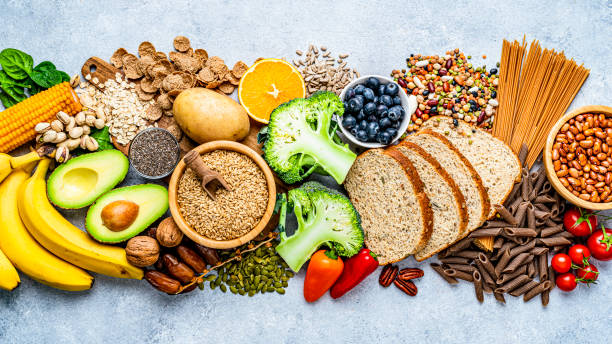
The truth is, no single diet works for everyone.
What matters most is finding a healthy eating style that fits your goals and feels realistic long-term.
For me, Keto delivered results—but it was definitely challenging.
For someone else, Mediterranean eating may feel easier and more sustainable.
The important thing?
Don’t give up after one failed attempt.
Healthy eating is a journey, not perfection.
Have you tried any of these diets before?
Drop a comment below — I’d love to hear what worked for you!